
- No ratings yet
- 62
- 170
- 0
- Aug 13
Synopsis
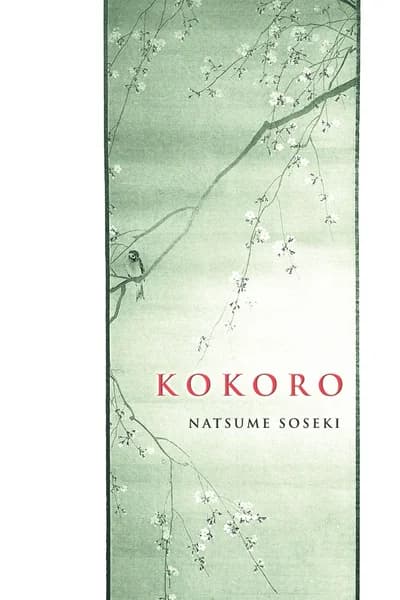
A young man develops a complex relationship with a reclusive intellectual known as Sensei. Through a three-part structure, the narrative explores the depths of loneliness and the weight of personal responsibility, eventually unveiling the secrets behind Sensei's self-imposed isolation. This work reads like a classic psychological character study, utilizing the mentor-student trope to dissect the fragility of human connections. It is perfectly suited for readers who appreciate slow-burn dramas and philosophical inquiries into the nature of friendship and love. However, those who prefer high-stakes action or rapid plot progression should likely skip this title. The pacing is intentionally deliberate and contemplative, allowing the psychological tension to build steadily. Its standout quality lies in its profound emotional insight and the tragic trajectory of its central figures, offering a poignant look at the transition into modernity during the Meiji period.
📚 Chapters (170 total)
Featured in
Tragedies That Earn the Ending
One hundred and seventy chapters, published in 1914, and the oldest and highest-rated book on this list. Natsume Soseki structured it in three movements so that a confession arrives only after you have spent a hundred chapters misreading the man making it. Everything else here is working in a tradition; this is a substantial part of the tradition.
16 novelsSee the whole collection
More Drama Novels
Browse more







Ratings & Reviews
Rate this novel
Tap a star to rate
Editorial Review
As a completed work of psychological tragedy, Kokoro demonstrates a masterful control of mood and structure. The decision to divide the narrative into three distinct movements allows for a gradual peeling back of the protagonist's psyche, which is a significant strength. It effectively transforms a simple relationship into a broader meditation on human isolation. However, the novel's unrelenting focus on melancholy and its slow, meditative pacing may prove a weakness for readers accustomed to the more dynamic rhythms of modern webnovels. While the 170-chapter count suggests a concise delivery, the emotional weight remains heavy throughout. It is a disciplined piece of historical fiction that prioritizes internal conflict over external plot, making it a rewarding but demanding read. The lack of typical genre tropes ensures a timeless quality, though it lacks the immediate hooks found in more commercial fiction.