

- No ratings yet
- 126
- 41
- 0
- 1d ago
Synopsis
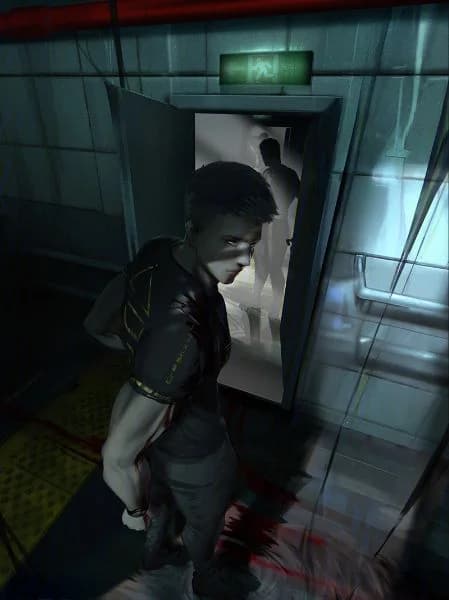
This psychological horror novel delves into the unsettling boundaries between reality and subconsciousness. The narrative follows a journey through surreal landscapes where the line between the dreamer and the dreamed becomes dangerously blurred. It is an exploration of isolation and the haunting fragments of a fractured mind. The experience reads like a literary interpretation of the dream-exploration trope, evoking the atmospheric dread found in titles like Silent Hill. This work is ideal for readers who enjoy slow-burn mysteries and surrealist imagery that challenges the perception of identity. Conversely, those seeking a fast-paced plot or clear-cut resolutions should look elsewhere. Given its concise length, the story maintains a claustrophobic and intense pace, focusing more on mood and psychological tension than expansive world-building. Its strongest quality lies in its ability to cultivate a sense of lingering unease through supernatural elements.
📚 Chapters (41 total)
Featured in
Finished Under 150 Chapters
Forty-one chapters of surreal psychological horror adapted from the cult game, and the entry here most likely to lose you. There is no procedural spine to hold onto — it is mood and dream-logic. The editorial note that motivations stay underspecified is not a bug report so much as a warning label. Read it if unresolved is a texture you enjoy.
20 novelsSee the whole collection
More Horror Novels
Browse more






Ratings & Reviews
Rate this novel
Tap a star to rate
Editorial Review
As a completed work of only 41 chapters, this novel functions more as a focused psychological study than a sprawling epic. Its primary strength is its commitment to the horror and supernatural genres, utilizing a tight structure to maintain a consistent sense of dread. The brevity of the work prevents it from overstaying its welcome, ensuring that the mystery remains poignant. However, the limited scope is also a weakness; the character development feels constrained by the short chapter count, leaving some psychological motivations underspecified. Without a larger volume of content to flesh out the lore, the resolution may feel abrupt to some. Despite the lack of widespread popularity signals, the thematic cohesion is evident. It is a competent exercise in atmospheric writing that prioritizes mood over complex plotting, making it a quick but impactful read for enthusiasts of the psychological horror subgenre.