
- No ratings yet
- 71
- 56
- 0
- 1d ago
Synopsis
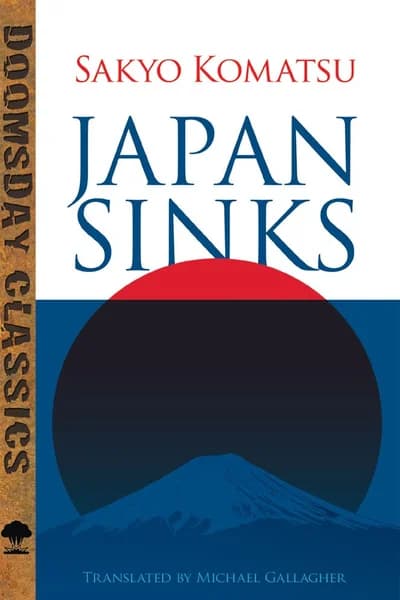
The story presents a harrowing scenario where the Japanese archipelago begins to vanish beneath the waves due to geological instability. This catastrophic event forces the nation to confront its inevitable end while struggling with the logistics of mass evacuation and societal collapse. It reads like a blend of hard science fiction and national tragedy, echoing the high-stakes desperation seen in classic disaster cinema. This work is ideal for readers who appreciate somber, character-driven narratives and geopolitical speculation. However, those seeking a hopeful resolution or lighthearted adventure should look elsewhere. The pacing is methodical, focusing on the slow-burn dread of an impending apocalypse rather than sudden thrills, making the emotional weight of the tragedy its most striking feature.
📚 Chapters (56 total)
Featured in
Tragedies That Earn the Ending
Fifty-six chapters in which the thing that dies is a country. Sakyo Komatsu wrote the disaster as a bureaucratic and geological process rather than a spectacle, which makes the grief national instead of personal. Character depth is thin, per our reviewer — that is what happens when the protagonist is an archipelago.
16 novelsSee the whole collection
More Drama Novels
Browse more










Ratings & Reviews
Rate this novel
Tap a star to rate
Editorial Review
As a completed work of 56 chapters, this novel offers a concise yet impactful exploration of national grief. Its primary strength lies in its commitment to the tragedy and drama genres, utilizing a Seinen lens to explore adult themes of loss and survival. The narrative avoids the pitfalls of endless serialization, providing a definitive conclusion to its bleak premise. However, the limited chapter count may leave some readers wishing for deeper character development or more expansive world-building regarding the scientific cause of the disaster. While the sci-fi elements provide a solid foundation, the emotional trajectory is where the story truly resides. It is a disciplined piece of storytelling that prioritizes atmosphere over spectacle, though the brevity of the work occasionally limits the scope of its geopolitical exploration.