
- 4.2
- 386
- 130
- 0
- Jul 20
Synopsis
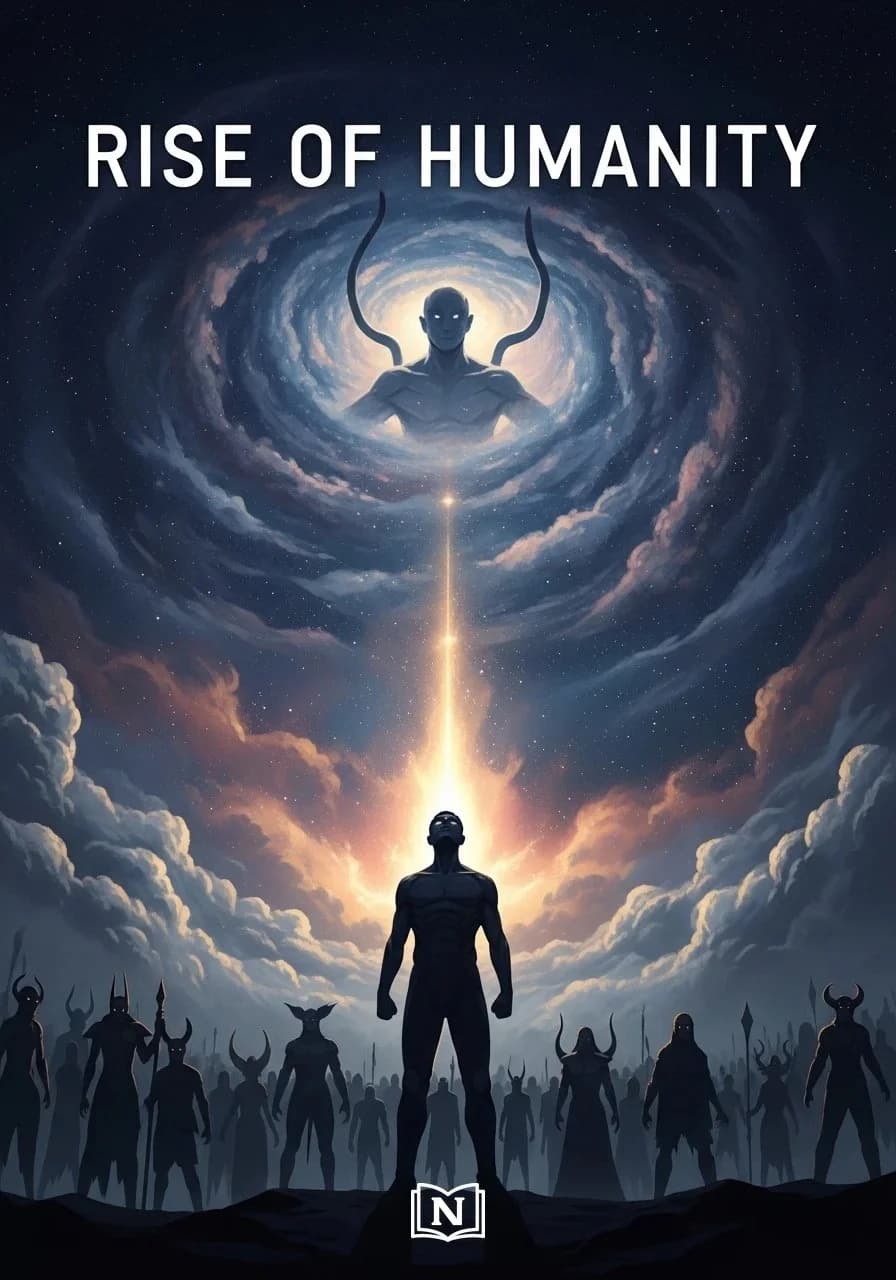
Set in a primordial world born from Pangu, the story takes place during a brutal era before the rise of the Five Emperors. Humanity is currently the lowest caste, treated as livestock and sacrifices by a dominant pantheon of gods and demons. A lone protagonist emerges to lead the human race from this darkness toward a new dawn of civilization. It reads like a grand-scale civilization-builder mixed with high-fantasy mythological reimagining, echoing the 'zero-to-hero' tropes found in epic origin myths. This novel is for enthusiasts of ancient Chinese mythology and those who enjoy stories of systemic uprising and species-wide evolution; however, those preferring fast-paced urban settings or lighthearted plots should skip it. The narrative features a slow, atmospheric build, with its standout quality being the visceral depiction of a barbaric, uncivilized cosmos where humans must fight for the basic right to exist.
📚 Chapters (130 total)
More Action Novels
Browse more









Ratings & Reviews
Rate this novel
Tap a star to rate
Editorial Review
Rise of Humanity presents an ambitious reimagining of ancient mythology, focusing on the struggle of a marginalized species. The strongest element is the world-building; the author successfully establishes a bleak, oppressive atmosphere that makes the prospect of human ascension feel earned. However, with only 130 chapters in an ongoing status, the transition from the dark age to the promised dawn may feel sluggish. The pacing of early-stage civilization building often struggles to maintain momentum before the scale expands. Because the story is still in its early stages of world-establishment, there is a risk that the plot may meander before reaching the promised climax of human dominance. The juxtaposition of humanity as livestock against a backdrop of cosmic deities creates immediate tension, but the narrative must work harder to differentiate its lead from standard mythological tropes to truly stand out in the fantasy genre.