

- No ratings yet
- 334
- 1402
- 0
- Jul 7
Synopsis
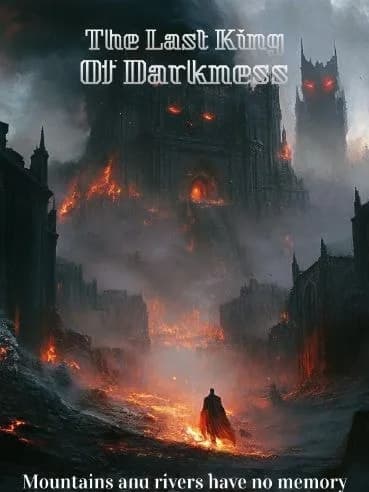
The story centers on a world plunged into eternal darkness after a monstrous theft and a Ghost's interference. While legends speak of divine protectors born to fight this gloom, the actual truth is hidden within the performances of the Zhou Family Troupe, an opera company catering specifically to the deceased. It reads like a blend of dark mythological fantasy and gothic folklore, echoing the atmosphere of traditional Chinese ghost stories and occult mysteries. This novel is ideal for readers who appreciate moody, mystery-driven Eastern fantasy with a focus on the macabre; however, those seeking a fast-paced, straightforward power fantasy should skip it. The narrative utilizes a slow-burn approach to unravel its mythology, with its most striking quality being the haunting integration of theatrical performance and death. The scale of the world-building is evident in its expansive length, promising a deep dive into the nature of gods and monsters.
📚 Chapters (1.4K total)
More Eastern Novels
Browse more




Ratings & Reviews
Rate this novel
Tap a star to rate
Editorial Review
From an editorial standpoint, the most impressive aspect of this work is its sheer ambition. With over 1,300 chapters, the author has clearly constructed a massive, intricate universe that moves beyond simple storytelling into a complex mythological study. The concept of the Zhou Family Troupe provides a unique framing device that separates it from generic Eastern fantasy. However, the lack of significant visibility signals suggests a potential issue with accessibility or a narrative that is too niche for a broad audience. The pacing may feel sluggish to some, as the atmospheric focus often takes precedence over immediate plot progression. While the premise is evocative, the daunting length combined with its slow start could be a barrier to entry. Overall, it is a conceptually strong piece of folklore-inspired fiction that rewards patient readers but may alienate those looking for a tighter, more focused plot.