
- No ratings yet
- 182
- 386
- 0
- Jun 18
Synopsis
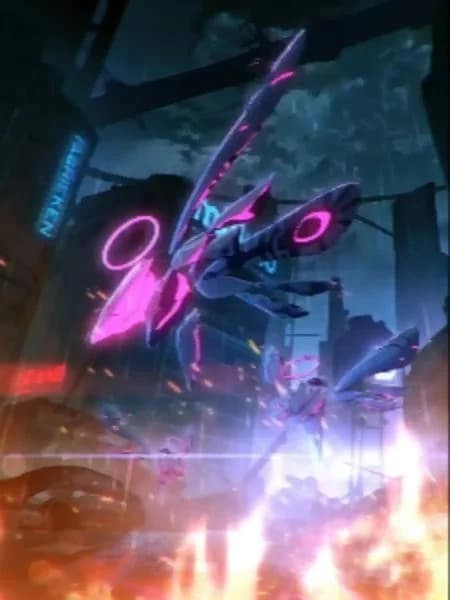
The story follows a protagonist who transmigrates into a Honkai beast, starting as a lowly mosquito in the Previous Era. They embark on a grueling path of non-human evolution, eventually ascending toward the status of a Star God. This progression leads the narrative through a brief interlude in the world of Genshin Impact and into the sprawling interstellar cosmos of Honkai: Star Rail. It reads like a classic evolution-style power fantasy, blending empire-building tropes with the established lore of the Hoyoverse. This novel is ideal for readers who enjoy watching a non-human character climb the food chain and those deeply invested in the interconnected Honkai multiverse. However, those who prefer human-centric stories or a focused, single-setting plot may find the shifting scales and settings jarring. The pacing is ambitious, moving from localized survival to galactic conquest, with the standout quality being its wide-reaching scope across different game universes.
📚 Chapters (386 total)
More Action Novels
Browse more





Ratings & Reviews
Rate this novel
Tap a star to rate
Editorial Review
With nearly 400 chapters, this work demonstrates a strong commitment to its central conceit of evolution and growth. The primary strength lies in its ambitious scope, successfully weaving together disparate elements of the Honkai and Genshin universes into a cohesive path of ascension. The transition from the Previous Era to the interstellar setting of Star Rail provides a refreshing change in scale that keeps the action from stagnating. However, the narrative structure is somewhat fragmented. The inclusion of a short story interlude in a different universe, described by the author as nonsensical, risks breaking the immersion and pacing of the main evolutionary arc. While the volume of content is impressive for an ongoing series, the erratic shifts in setting may feel disjointed to those seeking a tighter, more focused plot. Overall, it is a solid effort in the crossover genre that prioritizes world-expansion over narrative cohesion.