

- No ratings yet
- 180
- 172
- 0
- 3d ago
Synopsis
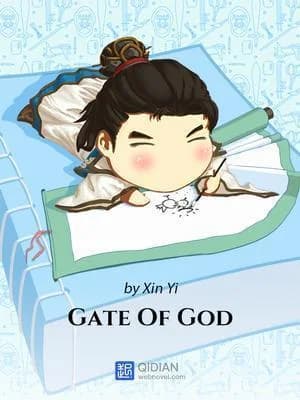
Twelve chosen souls are tasked with expanding the multiverse into the void. The protagonist must cultivate their domain and raise divine protectors before a grace period ends and external threats emerge. This narrative reads like a high-concept divine management simulator, leaning heavily into the creator tropes often found in cosmic fantasy. It is perfectly suited for readers who enjoy intricate cosmology and the slow burn of building a civilization from scratch. However, those seeking a traditional, fast-paced LitRPG or a tight, single-perspective story should look elsewhere, as the system elements are minimal and the narrative utilizes multiple points of view. The standout quality is its literal approach to world-building, focusing on the logistical and emotional burdens of deityhood. The pacing is steady, favoring depth and breadth over immediate action, as it meticulously establishes the relationship between the creator, their divine children, and the mortals within their realm.
📚 Chapters (172 total)
More Xianxia Novels
Browse more



Ratings & Reviews
Rate this novel
Tap a star to rate
Editorial Review
With 148 chapters, the author has established a significant foundation for this cosmic experiment. The primary strength lies in the ambitious scope; the transition from a divine architect to a manager of a Xianxia-inspired world provides a refreshing take on the genre. However, the reliance on multiple perspectives can occasionally fragment the narrative flow, making it harder to anchor the reader to a single emotional core. While the author’s decision to rewrite the story indicates a desire for quality and growth, the light integration of LitRPG elements may feel underwhelming to those who rely on hard stats for progression. Given its ongoing status and the volume of content already available, there is plenty of material to judge the consistency of the world-building. It remains a niche project that prioritizes the macro view of creation over micro character arcs, which may limit its broader appeal.