
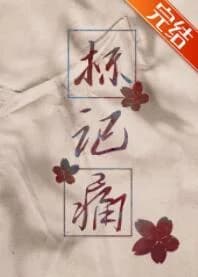
mark pain
- No ratings yet
- 0
- 78
- 0
- 1d ago
Synopsis
A complex dynamic of manipulation and longing defines the relationship between Zeng Yu and Liang Heng. Lacking the standard biological markers of his kind, Zeng Yu possesses the rare ability to hear the thoughts of others, a tool he uses to engineer a romance with Liang Heng. After securing a permanent mark, he abruptly severs the tie, leaving his former partner to endure a cyclical, agonizing condition known as marked pain. Years later, the roles shift as Zeng Yu attempts to reclaim the heart he once discarded. The prose carries a heavy emotional weight, transitioning from a cold, calculated opening to a desperate, yearning reconciliation. The story escalates through a series of tense encounters where distrust clashes with an undeniable physical and emotional bond. It rewards those who enjoy slow-burn redemption arcs and the psychological friction of a partner who knows they were used but cannot stop loving their tormentor. The atmosphere remains thick with regret and repressed desire.
📚 Chapters (78 total)
Ratings & Reviews
Rate this novel
Tap a star to rate
Editorial Review
With a concise length of 78 chapters, this completed work manages to wrap up its central conflict without unnecessary bloating. The strength of the piece lies in its character dynamics, specifically the tension between Liang Heng's desire for self-protection and his instinctive need to provide comfort. The emotional payoff of the reunion is earned through the depiction of shared suffering. However, the narrative relies heavily on the specific biological rules of its setting, which may feel restrictive or overly convenient for the plot progression. Additionally, the transition from the initial manipulation to the later pursuit happens quite rapidly, leaving some of the emotional growth feeling slightly rushed. Despite these shortcomings, the focused scope ensures a satisfying conclusion for those invested in the couple's reconciliation. It is a tight, focused character study that avoids the common pitfalls of excessive length found in the genre.